Fire Damage Restoration in Lynnwood, WA
A fire, even a small one, leaves damage far beyond what you can see. Soot and smoke residue travel through the whole structure, water from firefighting soaks floors and ceilings and odors can linger in walls, insulation and ducts long after the flames are out.
Lynnwood Water Restoration provides complete fire damage restoration for homes, apartments and businesses in Lynnwood and across Snohomish County. We secure the property, remove water and debris, clean soot and smoke, eliminate odors and help you repair and rebuild, coordinating with your insurance company along the way.
Our goal is to save what can be saved, limit the loss and take some of the stress off you during a difficult time.
What Happens After a Fire
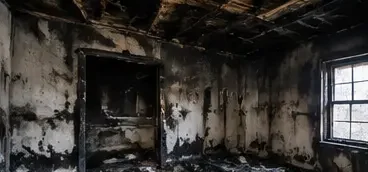
Fire damage is layered, and each layer is time-sensitive:
- Fire and heat damage. Char, melted materials and structural damage in the burn area.
- Smoke and soot. Fine particles and acidic residue that discolor surfaces, corrode metal and get into HVAC systems.
- Water damage. Hundreds of gallons from hoses or sprinklers soak framing, insulation and flooring, often in rooms untouched by flames.
- Odor. Smoke odor embeds in porous materials and returns in humid weather unless it is removed at the source.
- Secondary damage. Mold, corrosion and permanent staining develop over days if the property is not stabilized.
Our Fire Restoration Process
- Emergency response and assessmentWe confirm the property is safe to enter, evaluate the damage and explain the plan.
- Board-up and roof tarpingWe secure openings to protect the property from weather and unauthorized entry.
- Water extraction and dryingFirefighting water is removed and the structure is dried to prevent mold and swelling.
- Debris removalBurned and unsalvageable materials are safely removed.
- Soot and smoke cleaningWalls, ceilings, floors and contents are cleaned with methods matched to the residue.
- Deodorization and air cleaningThermal fogging, hydroxyl equipment and HEPA air scrubbers remove odor and airborne particles.
- Contents cleaning and pack-outSalvageable belongings are cleaned, documented and stored or returned.
- Repairs and reconstructionWe help repair and rebuild damaged areas to return the property to normal.
Smoke and Soot: Why They Need Professional Cleaning
Not all smoke is the same. Protein fires from burnt food leave an almost invisible, strongly smelling residue. Fires involving plastics and rubber produce sticky, oily black film. Wood and paper fires leave dry, powdery soot. Each requires a different cleaning approach, and the wrong method can smear soot into surfaces and make stains permanent.
Soot is also acidic. Left in place, it can etch glass, tarnish metals and stain finishes within days. Professional soot and smoke cleaning uses HEPA filtration, chemical sponges, specialty solutions and, for structural surfaces, dry-ice or soda blasting.
For details, see our pages on smoke damage cleanup and soot removal.
When Fire and Water Damage Happen Together
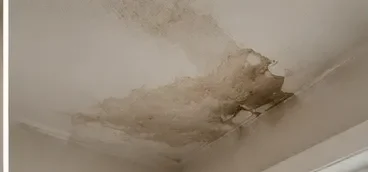
Most fires bring water with them. Firefighting water and sprinkler discharge soak walls, ceilings and floors, often on multiple levels. That moisture starts to support mold in as little as a day or two, and it can cause soot to smear and set.
We manage both problems in the right order: stabilize, remove water and dry first, then clean soot and smoke, then deodorize and repair. Learn more about fire and water damage restoration.
What to Do After a Fire
- Wait for the fire department to declare the building safe before entering.
- Call your insurance company and start a claim.
- Photograph and video everything before touching anything.
- Do not wipe soot with household cleaners or a dry rag. It can smear and set.
- Do not run the furnace or air conditioning, which can spread soot through ducts.
- Avoid eating or using food and items exposed to heat, smoke or soot.
- Call us at (425) 358-4598 for emergency board-up, water removal and assessment.
Fire Damage and Insurance
Fire is a covered peril on most homeowners, renters and commercial property policies, and many include coverage for temporary housing if you cannot stay in the property. Coverage varies by policy and carrier, and we cannot promise any outcome.
What we can do is document the damage and the work carefully, keep an itemized inventory of contents and communicate with your adjuster, so you spend less time on paperwork and more on recovery. Our insurance claims guide explains the process.
Fire Restoration for Homes and Businesses
We restore single-family homes, townhomes, apartments and condos, as well as offices, restaurants and retail spaces. Businesses need particularly fast response to reduce downtime, and multi-unit buildings need coordination with property managers and neighbors. See our commercial restoration page.
Average Fire Damage Restoration Cost in Lynnwood, WA
Fire restoration cost depends on how large the fire was and how far smoke and firefighting water spread. Rebuilding is usually a separate scope, so these ranges cover mitigation and cleanup.
| Scope of work | Typical range | What is usually included |
|---|---|---|
| Small contained fire, such as a kitchen stovetop fire | $3,000 – $10,000 | Soot and smoke cleaning, deodorization, minor repairs |
| Fire affecting one or two rooms | $10,000 – $30,000 | Debris removal, cleaning, water drying, partial rebuild |
| Major fire across multiple rooms or floors | $30,000 – $100,000+ | Structural cleaning, contents pack-out, reconstruction |
| Smoke and soot cleanup only, no structural burn | $1,000 – $10,000 | HEPA cleaning, wall and ceiling cleaning, odor removal |
| Fire plus firefighting water damage | Add $2,000 – $15,000 | Extraction, structural drying, monitoring |
| Contents cleaning and pack-out | $1,500 – $10,000+ | Depends on the number of items and cleaning method |
Fire is a covered peril on most homeowners policies, and many include additional living expenses if you cannot stay in the home.
These are planning estimates for the Puget Sound area, not quotes. Your price is set after an inspection. Call (425) 358-4598 for a firm number.
Our Fire Damage Restoration Services in Lynnwood
Fire Damage Restoration
Complete cleanup and repair after house, kitchen and electrical fires, from soot to rebuild.
Learn more →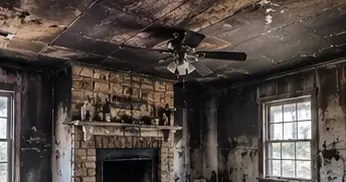
Smoke Damage Cleanup
Remove smoke residue and stubborn odors from walls, ducts and belongings.
Learn more →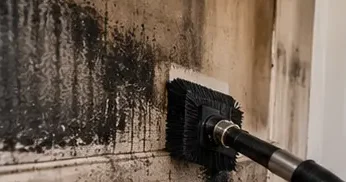
Fire & Water Damage Restoration
One coordinated plan for water from firefighting plus fire, smoke and soot damage.
Learn more →Why Lynnwood Property Owners Call Lynnwood Water Restoration
- Licensed, insured and IICRC-certified. Serving Lynnwood since 2009.
- Live 24/7 emergency line. Damage does not wait for business hours, and neither do we.
- Measured, not guessed. Moisture meters and thermal imaging drive every drying plan, and readings are logged each visit.
- Documentation your insurer can use. Photos, moisture logs and itemized work records from the first visit.
- Straight answers. We explain what we found, what it will take and what is optional before work expands.
- One team from start to finish. Extraction, drying, cleaning, deodorization and help with repairs.
Fire Damage Restoration FAQ
How soon after a fire should restoration begin?
As soon as the fire department clears the property. Soot is corrosive and water from firefighting supports mold, so early action limits permanent damage.
Can I stay in my home during restoration?
It depends on the extent of the damage, air quality and utilities. Many homeowners need temporary housing. We advise you after the inspection.
Can smoke-damaged belongings be saved?
Many can. Clothing, furniture, electronics and hard goods can often be professionally cleaned. Heavily charred or porous items may not be salvageable.
How long does fire restoration take?
Cleanup and mitigation usually take days to a couple of weeks. Rebuilding can take weeks to months depending on scope and permits.
How do you remove smoke smell?
We remove the residue that carries the odor, then use deodorization methods such as thermal fogging, hydroxyl equipment or air scrubbing to neutralize what remains.
Will my insurance cover fire restoration?
Fire is normally covered on homeowners and commercial property policies, but terms vary. We document the loss and work with your adjuster, but we cannot guarantee coverage.
Serving Lynnwood and Nearby Cities
We provide fire damage restoration across Snohomish County. See our local pages for information specific to your city: