What Is Fire & Water Damage Restoration?
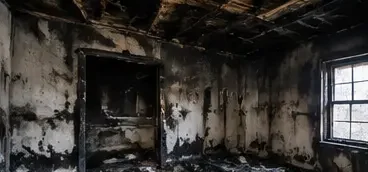
Fire and water damage restoration addresses the combined effects of a fire and the water used to extinguish it. Firefighters use large volumes of water, which runs through floors and ceilings and soaks insulation, carpet and framing in rooms that were never near the flames. Meanwhile the fire itself has left soot, smoke and structural damage.
The two problems compete with each other. Water needs quick extraction and drying to prevent mold and swelling. Soot and smoke residue, when combined with moisture, can spread, stain and become harder to clean. Doing the drying without regard for soot, or cleaning soot without controlling moisture, can make both worse.
That is why a coordinated plan matters: we start with safety and water removal, protect and dry the structure, then move through debris removal, soot and smoke cleaning, deodorization and repairs in a sequence that protects the work already done.
Common Causes in Lynnwood-Area Homes
These are the situations that most often lead our customers to call us for fire & water damage restoration:
- Fire department suppression. Hoses deliver hundreds of gallons per minute, which soak the burned area and areas below it.
- Sprinkler activation. Commercial and multifamily buildings can suffer significant water damage from sprinklers, even when the fire is small.
- Broken pipes from fire. Heat can burst supply lines and cause additional leaks.
- Rain through fire-damaged roofs. A roof opened by fire or firefighting exposes the interior to Pacific Northwest rain.
- Ceiling and floor failure. Burned and waterlogged ceilings and floors can collapse or leak into rooms below.
Signs You Need Professional Help
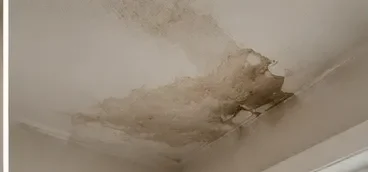
- Wet, sagging or collapsed ceilings
- Standing water and soaked carpet in rooms near the fire
- Smoke odor mixed with a musty, damp smell
- Water dripping through light fixtures or vents
- Warped wood floors and swollen cabinetry
Not sure it is serious? Call (425) 358-4598. It costs nothing to talk through what you are seeing, and it is far better to check early than to find hidden damage later.
Our Fire & Water Damage Restoration Process
- Emergency assessment and safetyWe check structural stability, electrical and air quality hazards before entering.
- Board-up and roof tarpingOpenings are secured to stop further weather damage.
- Water extractionStanding water and saturated materials are removed fast to limit spread.
- Structural dryingMoisture mapping and drying equipment protect framing, subfloors and insulation.
- Debris removalBurned and unsalvageable materials are taken out to open areas for drying and cleaning.
- Soot and smoke cleaningCleaning follows once surfaces are stabilized and moisture is controlled.
- DeodorizationOdors from both smoke and moisture are neutralized.
- Restoration and rebuildWe help repair and rebuild to return the property to pre-loss condition.
Equipment We Use
- Extraction pumps and wands. Remove water quickly after suppression.
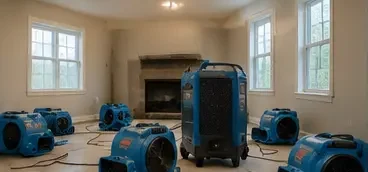
- Air movers and dehumidifiers. Dry framing, subfloors and building materials.
- Thermal cameras and moisture meters. Track moisture behind soot-covered surfaces.
- HEPA air scrubbers. Clean airborne soot and dust.
- Thermal fogging and hydroxyl equipment. Address smoke odor.
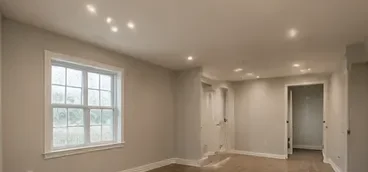
Average Cost of Fire & Water Damage Restoration in Lynnwood, WA
A combined loss includes water extraction and drying plus fire cleanup, so costs are higher than either alone.
| Scope of work | Typical range | What is usually included |
|---|---|---|
| Small fire with limited firefighting water | $5,000 – $15,000 | Extraction, drying, soot cleaning, deodorization |
| Moderate fire with soaked rooms below | $15,000 – $40,000 | Structural drying, debris removal, cleaning, partial rebuild |
| Major fire and sprinkler or hose water damage | $40,000 – $100,000+ | Full mitigation, contents pack-out, reconstruction |
These are planning estimates for the Puget Sound area, not quotes. Your price is set after an inspection with moisture readings. You can call (425) 358-4598 for a firm number.
What Affects Cost and Timeline
Combined fire and water losses are typically larger than either alone because they include extraction, drying, cleaning and rebuild. Cost depends on the extent of both types of damage.
Mitigation can take one to two weeks. Reconstruction may extend longer depending on scope and permits.
Common Mistakes to Avoid
- Waiting to dry the structure because the fire damage seems more urgent.
- Cleaning soot before wet materials are removed or dried.
- Ignoring hidden moisture in wall cavities and insulation.
- Assuming the fire department’s cleanup is complete. They stop the fire, but do not restore the property.
Insurance Claims
Both fire and the water used to fight it are typically covered as part of the fire claim under standard homeowners policies, though details vary by policy and carrier.
We work with the fire loss adjuster, keeping careful records of both moisture and fire damage. We cannot guarantee coverage.
Why Lynnwood Property Owners Call Lynnwood Water Restoration
- Licensed, insured and IICRC-certified. Serving Lynnwood since 2009.
- Live 24/7 emergency line. Damage does not wait for business hours, and neither do we.
- Measured, not guessed. Moisture meters and thermal imaging drive every drying plan, and readings are logged each visit.
- Documentation your insurer can use. Photos, moisture logs and itemized work records from the first visit.
- Straight answers. We explain what we found, what it will take and what is optional before work expands.
- One team from start to finish. Extraction, drying, cleaning, deodorization and help with repairs.
Fire & Water Damage Restoration FAQ
Which do I deal with first, fire or water?
Water and safety come first. Standing water and wet materials cause the fastest secondary damage, so extraction and drying start immediately, then smoke and soot cleaning follow.
Is my structure safe?
Not until it is inspected. Fire and water can weaken floors and ceilings, so wait for clearance and let us assess.
How long until mold appears after fire water?
Mold can begin in 24 to 48 hours if materials stay wet. Fast drying is important. See our mold remediation page if mold is suspected.
Can you handle commercial properties?
Yes. We work with homes, apartments and businesses. See our commercial page.
Do I have to move out?
It depends on damage. Many homeowners need temporary housing, and some policies include additional living expenses.
Related Services
- Fire Damage Restoration
- Smoke Damage Cleanup
- Emergency Water Damage Restoration
- Structural Drying & Dehumidification
- Fire Damage Restoration
Serving Lynnwood and Nearby Communities
Based in Lynnwood, we provide fire & water damage restoration across Snohomish County, including: