What Is Basement Water Damage?
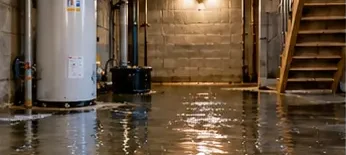
Basement water damage restoration deals with water that has entered a below-grade space, from a plumbing failure, a storm, a high water table or a failed pump. Lower levels are prone to repeated damage because gravity delivers every leak to the same place and because concrete, framing and finishes hold moisture for a long time.
Finished basements add complexity. Carpet over slab, drywall against concrete, insulation, cabinetry and trim all react differently to water, and bottom plates and wall cavities often stay wet even when the floor looks dry. That is why we combine extraction, removal of unsalvageable materials, structural drying and moisture verification in one plan.
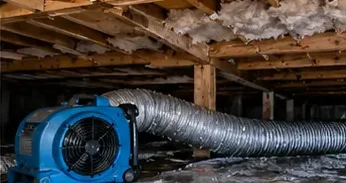
Crawl spaces are a related issue. Water and high humidity below the floor can affect insulation, joists and subflooring and lead to mold and odors that rise into the living space.
Common Causes in Lynnwood-Area Homes
These are the situations that most often lead our customers to call us for basement water damage:
- Groundwater and hydrostatic pressure. During wet seasons, saturated soil pushes water through floor-wall joints and cracks in the slab or foundation.
- Sump pump failure. A pump that fails, loses power or is overwhelmed can flood a basement quickly.
- Poor exterior drainage. Downspouts that discharge near the foundation, clogged gutters and improper grading direct water toward the house.
- Water heater and laundry leaks. Many local homes have water heaters and washers in the basement, so failures put water directly on the floor.
- Window wells and stairwell drains. Clogged wells fill and leak through windows or doors.
- Sewer or floor drain backups. Low fixtures are the first to overflow when a line backs up.
Signs You Need Professional Help
- Damp or musty smell in the lower level
- White mineral deposits, called efflorescence, on concrete walls
- Peeling paint, bubbling drywall or stained baseboards
- Cupping laminate or lifting carpet
- Standing water after heavy rain
- Rising indoor humidity that persists
Not sure it is serious? Call (425) 358-4598. It costs nothing to talk through what you are seeing, and it is far better to check early than to find hidden damage later.
Our Basement Water Damage Process
- Emergency inspectionWe identify the source, water depth and affected areas, and check for electrical or structural concerns.
- Water extractionPumps and extractors remove standing water and saturated carpet.
- Content manipulationFurniture and stored items are moved or protected. Items that can be saved are set aside for cleaning.
- Material removalWet pad, damaged baseboard and drywall are removed as needed, often flood-cutting at a set height.
- Structural dryingDehumidifiers and air movers dry slabs, framing and remaining finishes, with daily moisture readings.
- Cleaning and sanitizingSurfaces are cleaned and treated to reduce bacteria and mold risk.
- Restoration and prevention adviceWe help rebuild and point out drainage or pump issues that may have contributed.
Equipment We Use
- Submersible pumps. Clear deep basement water.
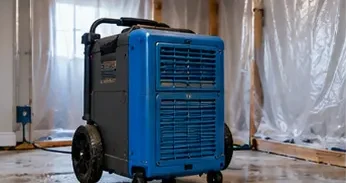
- Low-grain refrigerant and desiccant dehumidifiers. Effective in cool, damp basements where standard units struggle.
- Air movers. Circulate air across wet slabs and framing.
- Moisture meters and thermal cameras. Verify dryness behind finished walls.
- Air scrubbers. Clean the air during demolition and drying.
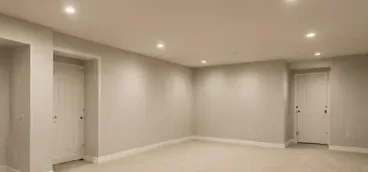
Average Cost of Basement Water Damage in Lynnwood, WA
Basement costs depend on the depth of water, whether the space is finished and how long concrete and framing take to dry.
| Scope of work | Typical range | What is usually included |
|---|---|---|
| Minor seepage or small leak, unfinished basement | $1,000 – $3,000 | Extraction, dehumidification, monitoring |
| Finished basement, partial flooding | $3,000 – $8,000 | Pad and drywall removal, drying, cleaning |
| Full flood in a finished basement | $8,000 – $20,000+ | Extensive demolition, extended drying, sanitizing |
| Crawl space water removal and drying | $1,500 – $5,000 | Pumping, dehumidification, insulation checks |
These are planning estimates for the Puget Sound area, not quotes. Your price is set after an inspection with moisture readings. Try our cost calculator for a range based on your details, or call (425) 358-4598 for a firm number.
What Affects Cost and Timeline
Basement jobs vary from a small leak that affects a laundry corner to a full flood in a finished level. Depth of water, square footage, contamination and finish materials drive the price. Concrete and framing take time to dry, so equipment often stays several days.
The cost calculator will help you frame the likely range, and an on-site inspection gives a firm scope.
Common Mistakes to Avoid
- Waiting for the water to “go down on its own.”
- Drying the surface with fans but leaving wet pad and drywall in place.
- Storing cardboard boxes on a damp floor after cleanup.
- Ignoring recurring water. Repeat flooding means drainage or pump problems that need fixing.
Insurance Claims
Standard homeowners policies often cover sudden plumbing or appliance leaks in a basement but not groundwater or surface flooding, and sump pump failure may require an endorsement. Read your policy or ask your agent.
We photograph and document the loss and measure moisture so you have what you need, and we cannot promise how your insurer will decide.
Why Lynnwood Property Owners Call Lynnwood Water Restoration
- Licensed, insured and IICRC-certified. Serving Lynnwood since 2009.
- Live 24/7 emergency line. Damage does not wait for business hours, and neither do we.
- Measured, not guessed. Moisture meters and thermal imaging drive every drying plan, and readings are logged each visit.
- Documentation your insurer can use. Photos, moisture logs and itemized work records from the first visit.
- Straight answers. We explain what we found, what it will take and what is optional before work expands.
- One team from start to finish. Extraction, drying, cleaning, deodorization and help with repairs.
Basement Water Damage FAQ
How long does it take to dry a basement?
Often three to seven days, depending on materials, humidity and how much was wet.
Can a finished basement be saved?
Often yes, if we respond quickly. Carpet pad and some drywall may need to be replaced, but many finished spaces can be dried and restored.
Do you handle crawl spaces?
Yes. We extract water, dry framing and insulation and address related humidity and mold concerns.
What if my basement floods every year?
That signals drainage or water table issues. We can restore the damage and advise you on next steps, and a drainage specialist can address the cause.
Will there be mold?
Not if drying is done promptly and thoroughly. We also offer mold inspection if you find signs.
Related Services
- Water Extraction
- Flood Damage Cleanup
- Structural Drying & Dehumidification
- Crawl Space Mold Remediation
- Water Damage Restoration
Serving Lynnwood and Nearby Communities
Based in Lynnwood, we provide basement water damage across Snohomish County, including: