What Is Water Extraction?
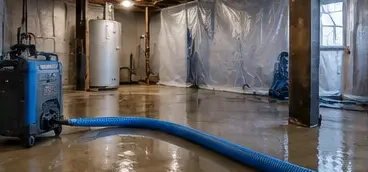
Water extraction is the mechanical removal of liquid water from a structure. It happens before drying equipment is set because air movers and dehumidifiers are built to remove moisture from materials and air, not to move gallons of liquid. Every gallon we pull out with an extractor is a gallon you do not have to dry with equipment over several days.
Different situations call for different tools. A few inches of water across a finished basement needs submersible pumps and wet vacuums. Saturated wall-to-wall carpet is better handled with a weighted extraction wand that pulls water out of both the carpet and the pad. Hardwood and laminate need careful, low-heat removal so boards are not damaged more than necessary.
Extraction is also the first moment a technician can see what the water has really done, which is why we combine it with moisture readings and photos of the affected rooms.
Common Causes in Lynnwood-Area Homes
These are the situations that most often lead our customers to call us for water extraction:
- Supply line and appliance failures. A burst washing machine hose or water heater can put hundreds of gallons across a floor in a short time.
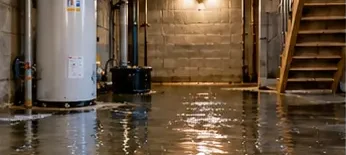
- Storm water intrusion. Extended Pacific Northwest rain can push water through window wells, garage doors and foundation cracks into finished lower levels.
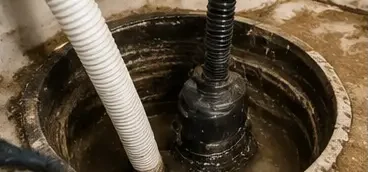
- Sump pump failure. Pumps stop during power outages, or when a float switch sticks, and a rising water table finishes the job.
- Roof and gutter overflow. Clogged gutters send rain down siding and into walls, and leaks through roofing can drop water into insulation and ceilings.
- Bathroom and kitchen overflows. Toilet, sink and tub overflows spread across tile and vinyl and seep under baseboards to the framing.
Signs You Need Professional Help
- Visible standing water or wet, squishing carpet
- Water beading or pooling on hard flooring
- Damp drywall that has wicked water several inches above the floor
- A sump pump that runs constantly or not at all
- Rising humidity and a musty smell in a lower level
Not sure it is serious? Call (425) 358-4598. It costs nothing to talk through what you are seeing, and it is far better to check early than to find hidden damage later.
Our Water Extraction Process
- Safety checkWe confirm power is off in the affected area, check for hazards and assess water quality so we know how to handle and dispose of it.
- Bulk removalSubmersible pumps and high-volume extractors take out standing water quickly, working from the deepest point outward.
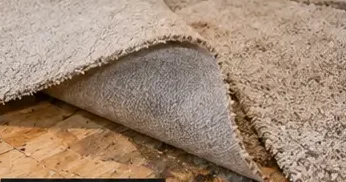
- Carpet and pad extractionWeighted wands pull water from carpet and pad. When pad is beyond saving, it is cut out and removed so the subfloor can dry.
- Hard-surface extractionOn tile, vinyl, laminate and wood, we extract surface water and check beneath and between boards for trapped moisture.
- Moisture checkMeters and thermal imaging identify where water remains in walls, subfloors and cavities.
- Hand off to dryingOnce liquid water is removed, we set drying equipment and begin monitored structural drying.
Equipment We Use
- Submersible pumps. Move large volumes from basements, crawl spaces and garages.
- Truck-mounted and portable extractors. Strong suction for carpet, pad and hard surfaces.
- Weighted extraction wands. Squeeze water out of carpet and pad more thoroughly than a standard vacuum.
- Moisture meters. Confirm which materials still hold water after extraction.
Average Cost of Water Extraction in Lynnwood, WA
Extraction is the first billable step after a flood or leak. Cost depends on the volume of water, access, and whether the water is contaminated.
| Scope of work | Typical range | What is usually included |
|---|---|---|
| Small area under about 300 sq ft (bathroom, laundry room) | $400 – $1,200 | Pump or extractor, carpet and pad extraction |
| One to two rooms, 300–800 sq ft | $1,200 – $3,000 | Extraction, pad removal, moisture check |
| Flooded basement or crawl space | $2,500 – $6,000 | Submersible pumps, debris and silt removal |
| Contaminated (gray or black) water | Add 25% – 100% | Protective equipment, disposal, disinfection |
Extraction is followed by drying, which is billed separately. See structural drying costs.
These are planning estimates for the Puget Sound area, not quotes. Your price is set after an inspection with moisture readings. Try our cost calculator for a range based on your details, or call (425) 358-4598 for a firm number.
What Affects Cost and Timeline
Extraction cost is driven by the volume of water, the number of rooms involved, access, and whether the water is clean or contaminated. Simple extraction on a single room is a small job. Large lower-level floods with contaminated water need more labor, disposal and protection.
Extraction usually takes a few hours per affected area. Drying continues after that, so plan for several days on-site with equipment. Try the cost calculator for an early estimate.
Common Mistakes to Avoid
- Using a home shop vac on standing water near outlets or extension cords.
- Leaving wet pad under carpet “to dry on its own.”
- Walking on wet carpet, which pushes water deeper and can spread contamination.
- Skipping the moisture check because the surface “feels dry.”
Insurance Claims
Extraction is typically the first line item in a water claim. Insurers usually want to see what was wet, how long it sat and how it was addressed, so we photograph the water levels, record moisture readings and keep a work log.
We do not decide coverage, and outcomes vary by policy. If your loss involves rising flood water rather than a sudden plumbing or appliance failure, standard homeowners policies often exclude it, so it is worth checking with your carrier early.
Why Lynnwood Property Owners Call Lynnwood Water Restoration
- Licensed, insured and IICRC-certified. Serving Lynnwood since 2009.
- Live 24/7 emergency line. Damage does not wait for business hours, and neither do we.
- Measured, not guessed. Moisture meters and thermal imaging drive every drying plan, and readings are logged each visit.
- Documentation your insurer can use. Photos, moisture logs and itemized work records from the first visit.
- Straight answers. We explain what we found, what it will take and what is optional before work expands.
- One team from start to finish. Extraction, drying, cleaning, deodorization and help with repairs.
Water Extraction FAQ
How much water can you remove?
Our pumps and extractors handle everything from a wet carpet to a flooded basement. The limiting factor is safety and access, not volume.
Is extraction enough to dry my home?
No. Extraction removes liquid water. Moisture that has soaked into drywall, wood and subfloor needs air movers and dehumidifiers to dry, which is a separate phase.
Can carpet be saved after extraction?
Often, if the water was clean and we act quickly. The pad is usually replaced. Contaminated water means carpet and pad should be removed.
What if the water is from a sewer backup?
That is treated as contaminated. See our sewage cleanup service. We use protective equipment and different disposal methods.
How soon should extraction happen?
As soon as possible. The longer water sits, the further it travels and the higher the chance of mold.
Related Services
- Emergency Water Damage Restoration
- Basement Water Damage
- Flood Damage Cleanup
- Structural Drying & Dehumidification
- Water Damage Restoration
Serving Lynnwood and Nearby Communities
Based in Lynnwood, we provide water extraction across Snohomish County, including: