What Is Structural Drying & Dehumidification?
Structural drying is the science of removing moisture that has soaked into building materials, such as framing, subfloor, drywall, insulation and hardwood, after standing water is gone. Dry-looking surfaces can hide serious moisture, and unresolved moisture is the main reason mold returns after a water loss.
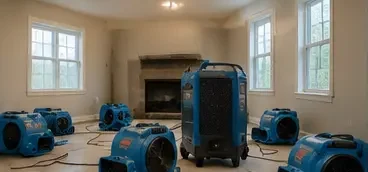
Professional drying works by controlling a small set of variables: temperature, humidity and airflow. Air movers push air across wet surfaces so moisture evaporates, while dehumidifiers remove that moisture from the air so it does not settle elsewhere. The equipment must be sized and placed for the specific structure, and readings are taken every visit to confirm materials are actually drying.
The finish line is objective. We compare readings to dry standards for the material and to unaffected reference areas, and we remove equipment only once the structure meets those goals, not when it merely feels dry.
Common Causes in Lynnwood-Area Homes
These are the situations that most often lead our customers to call us for structural drying & dehumidification:
- Aftermath of any water loss. Whether it was a burst pipe, roof leak or flood, drying is what follows extraction.
- High indoor humidity. Persistent humidity in bathrooms, basements and crawl spaces can wet materials and cause mold without any visible leak.
- Rain intrusion. Wind-driven rain through windows, doors and roof penetrations wets walls and insulation.
- Hidden leaks. Slow leaks behind walls, under floors and above ceilings saturate materials over time.
- Post-construction moisture. Building materials exposed to rain during construction or renovation need drying before closing walls.
Signs You Need Professional Help
- Baseboards, floors or walls that feel damp or cool to the touch
- Cupped, crowned or buckled hardwood
- Musty smell that returns after cleaning
- Condensation on windows in affected rooms
- Peeling paint or bubbling wallpaper
Not sure it is serious? Call (425) 358-4598. It costs nothing to talk through what you are seeing, and it is far better to check early than to find hidden damage later.
Our Structural Drying & Dehumidification Process
- Initial moisture assessmentWe measure temperature, relative humidity and moisture content in affected and unaffected materials to set drying goals.
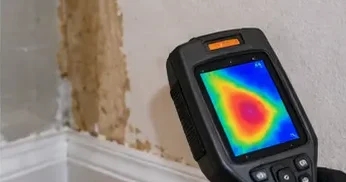
- Moisture mappingThermal imaging and meters locate every wet area, including inside walls, under floors and above ceilings.
- Drying planWe calculate equipment needs based on affected volume and materials and plan placement.
- Equipment placementAir movers, dehumidifiers and any specialty tools like floor drying mats or wall-cavity systems are set.
- ContainmentWe isolate the drying area where appropriate to make equipment more effective.
- Daily monitoringEach day, readings are recorded and equipment is adjusted or moved based on progress.
- Final verificationWe confirm materials meet dry goals before removing equipment and providing your drying report.
Equipment We Use
- Commercial air movers. Direct airflow over wet surfaces to speed evaporation.
- Low-grain refrigerant dehumidifiers. Remove moisture from air in warm and humid conditions.
- Desiccant dehumidifiers. Perform in cold or very damp environments, common in local crawl spaces and basements.
- Thermal cameras and moisture meters. Find and measure wet materials.
- Hygrometers and data loggers. Track temperature and humidity through the drying process.
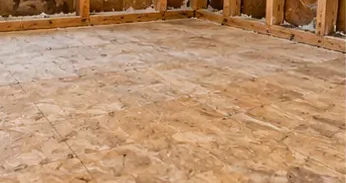
Average Cost of Structural Drying & Dehumidification in Lynnwood, WA
Drying is billed mainly by equipment, days on site and monitoring visits. Dense materials like hardwood and concrete take longer.
| Scope of work | Typical range | What is usually included |
|---|---|---|
| One room, 3 days of drying | $600 – $1,800 | Air movers, dehumidifier, daily readings |
| Multiple rooms, 3–5 days | $1,800 – $4,500 | More equipment, wall cavity drying |
| Whole level or large basement, 5–7 days | $4,500 – $10,000 | Desiccant dehumidifiers, extended monitoring |
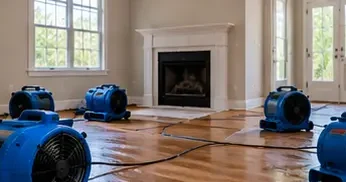
| Hardwood floor drying system | Add $1,000 – $3,500 | Specialty mats and extended drying time |
These are planning estimates for the Puget Sound area, not quotes. Your price is set after an inspection with moisture readings. Try our cost calculator for a range based on your details, or call (425) 358-4598 for a firm number.
What Affects Cost and Timeline
Drying is billed largely by equipment and time, so the number of affected rooms and how wet they are drive cost. Dense materials like hardwood, plaster and concrete take longer than carpet or drywall.
Typical drying takes three to five days, but hardwood floors, insulated cavities and lower levels can take longer. We tell you what to expect after the initial assessment.
Common Mistakes to Avoid
- Relying on household fans and a small dehumidifier for a large loss.
- Removing equipment too early because surfaces feel dry.
- Turning up the heat too high, which can damage some materials and make hidden mold worse.
- Skipping documentation of readings.
Insurance Claims
Insurers often want evidence that drying was done correctly, so drying logs, equipment lists and daily moisture readings are valuable. We keep those records and can provide them for your claim.
Coverage depends on your policy and the cause of the water, and we cannot promise an outcome.
Why Lynnwood Property Owners Call Lynnwood Water Restoration
- Licensed, insured and IICRC-certified. Serving Lynnwood since 2009.
- Live 24/7 emergency line. Damage does not wait for business hours, and neither do we.
- Measured, not guessed. Moisture meters and thermal imaging drive every drying plan, and readings are logged each visit.
- Documentation your insurer can use. Photos, moisture logs and itemized work records from the first visit.
- Straight answers. We explain what we found, what it will take and what is optional before work expands.
- One team from start to finish. Extraction, drying, cleaning, deodorization and help with repairs.
Structural Drying & Dehumidification FAQ
Why is so much equipment needed?
Drying works by moving a lot of air and removing moisture from it. Larger or wetter structures need more airflow and dehumidification to dry evenly and quickly.
How loud is the equipment?
It is noticeable, like running several fans. It is temporary and important to the drying result.
Can I turn the equipment off at night?
Please do not unless we tell you it is safe. Interrupting the process can lengthen drying time and increase mold risk.
Will my electric bill go up?
Yes, drying equipment uses power. It is often a factor in claims, so ask your insurer, and we can provide equipment details.
How do you know it is dry?
We compare readings to standards for each material and to unaffected areas, and we confirm the trend over multiple days.
Related Services
- Emergency Water Damage Restoration
- Burst Pipe Water Damage
- Basement Water Damage
- Mold Inspection & Testing
- Water Damage Restoration
Serving Lynnwood and Nearby Communities
Based in Lynnwood, we provide structural drying & dehumidification across Snohomish County, including: