What Is Mold Inspection & Testing?
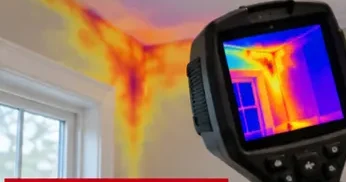
A mold inspection is a systematic assessment of a property for visible mold, hidden moisture and conditions that support mold growth. It typically includes a visual inspection, moisture measurements, thermal imaging and, when appropriate, air or surface sampling to identify and quantify mold spores.
The most important question is not “is there mold?” but “why?” Mold needs moisture. If the source of moisture is not found and fixed, mold will return after any cleaning. An inspection connects visible growth to leaks, humidity, condensation or drainage issues so the remediation plan addresses the cause.
Testing is a tool, not a verdict. Mold spores are present in all indoor air at some level, so results are interpreted by comparing indoor samples to outdoor controls and unaffected areas, alongside what the inspector sees.
Common Causes in Lynnwood-Area Homes
These are the situations that most often lead our customers to call us for mold inspection & testing:
- Unresolved water damage. Leaks that were not dried thoroughly are the most common source of hidden mold.
- Chronic humidity. Damp Pacific Northwest weather, poor ventilation and unventilated bathrooms raise indoor moisture.
- Roof and window leaks. Slow intrusion from roofing, flashing and windows wets insulation and framing.
- Crawl space moisture. Exposed soil, poor vapor barriers and standing water lead to mold that spreads upward.
- Condensation. Cold surfaces, poorly insulated walls and closed-up rooms collect moisture.
Signs You Need Professional Help
- Musty, earthy odor that will not go away
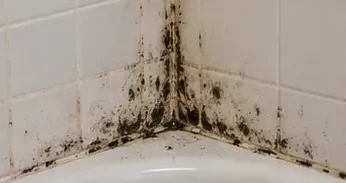
- Visible dark spots on walls, ceilings, grout or around windows
- Recent water damage or leaks that were not professionally dried
- Allergy-like symptoms that improve when you leave the home
- Peeling paint, warped drywall or persistent condensation
Not sure it is serious? Call (425) 358-4598. It costs nothing to talk through what you are seeing, and it is far better to check early than to find hidden damage later.
Our Mold Inspection & Testing Process
- ConsultationWe discuss your concerns, the history of leaks and any symptoms or odors.
- Visual inspectionWe look at ceilings, walls, baseboards, attics, crawl spaces, HVAC and other high-risk areas.
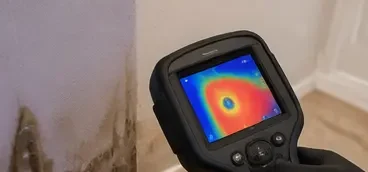
- Moisture measurementMeters and thermal imaging identify wet materials and locate moisture sources.
- Sampling where appropriateAir and surface samples are collected with outdoor comparison samples when warranted.
- Lab analysisSamples are sent to an accredited lab for identification and counts.
- Report and planYou receive plain-language findings, the likely moisture source and a recommended remediation scope.
Equipment We Use
- Thermal imaging cameras. Show temperature differences that indicate moisture.
- Moisture meters. Measure moisture content in drywall, wood and concrete.
- Hygrometers. Measure temperature and relative humidity.
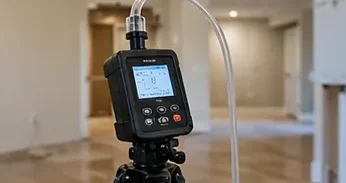
- Air sampling pumps and cassettes. Collect spore samples for lab analysis.
- Borescopes. Inspect inside wall cavities without large openings.
Average Cost of Mold Inspection & Testing in Lynnwood, WA
Inspection cost depends on the size of the property, the number of samples and how much investigation is needed to find the moisture source.
| Scope of work | Typical range | What is usually included |
|---|---|---|
| Visual inspection with moisture readings | $300 – $600 | Moisture meter, thermal imaging, written findings |
| Inspection with air samples and lab analysis | $500 – $1,000 | Indoor and outdoor samples, lab report |
| Whole house, multiple samples and crawl space or attic | $900 – $1,800 | Extended inspection, multiple lab samples |
| Post-remediation clearance testing | $300 – $800 | Verifies cleanup was successful |
Lab fees typically run about $50–$150 per sample and may be included or listed separately.
These are planning estimates for the Puget Sound area, not quotes. Your price is set after an inspection with moisture readings. You can call (425) 358-4598 for a firm number.
What Affects Cost and Timeline
Inspection cost depends on property size, the number of samples and the complexity of the investigation. A targeted inspection of one room costs less than a whole-house assessment with multiple lab samples.
Most inspections take one to three hours. Lab results usually take a few business days.
Common Mistakes to Avoid
- Testing without addressing the moisture source.
- Using a store-bought test kit and treating the result as definitive.
- Cleaning with bleach and painting over. It does not fix the cause.
- Waiting because you can not see mold. Hidden mold is common.
Insurance Claims
Mold coverage is often limited or excluded, unless mold results from a covered water loss. Some policies cap mold remediation. Review your policy and speak with your agent.
We provide clear documentation of what we find, and we cannot promise that any insurer will pay.
Why Lynnwood Property Owners Call Lynnwood Water Restoration
- Licensed, insured and IICRC-certified. Serving Lynnwood since 2009.
- Live 24/7 emergency line. Damage does not wait for business hours, and neither do we.
- Measured, not guessed. Moisture meters and thermal imaging drive every drying plan, and readings are logged each visit.
- Documentation your insurer can use. Photos, moisture logs and itemized work records from the first visit.
- Straight answers. We explain what we found, what it will take and what is optional before work expands.
- One team from start to finish. Extraction, drying, cleaning, deodorization and help with repairs.
Mold Inspection & Testing FAQ
Do I need to test if I can see mold?
Not always. Visible mold usually needs remediation regardless of species. Testing can help find hidden growth and verify results after cleanup.
What does mold testing tell me?
It identifies spore types and concentrations compared to outdoor air. It helps document contamination and confirm cleanup results.
Is all mold dangerous?
Mold can affect people differently. It is best to remove indoor mold growth and fix the moisture source rather than debate species. See black mold removal.
How long does an inspection take?
One to three hours for many homes, longer for large or complex properties.
Do you do inspection and removal?
We can inspect and remediate. If you prefer an independent assessment, we can work from another inspector’s report.
Related Services
- Black Mold Removal
- Crawl Space Mold Remediation
- Attic Mold Removal
- Structural Drying & Dehumidification
- Mold Remediation
Serving Lynnwood and Nearby Communities
Based in Lynnwood, we provide mold inspection & testing across Snohomish County, including: