What Is Flood Damage Cleanup?
Flood damage cleanup addresses water that comes from outside the plumbing system, such as storm runoff, overflowing creeks and drainage, saturated ground or a failed stormwater system. Because this water crosses yards, streets and drains before it enters a building, it is usually treated as contaminated and needs more than simple drying.
Cleanup includes removing water, taking out materials that cannot be safely cleaned, such as soaked carpet, pad and porous drywall, cleaning and disinfecting surfaces that can be saved, and drying the structure thoroughly before rebuilding.
It is different from a plumbing leak in another way: floods tend to affect large areas at once, leave debris and sediment behind and often stress the wider neighborhood, so acting early helps you get ahead of the demand that follows a big storm.
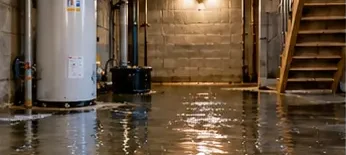
Common Causes in Lynnwood-Area Homes
These are the situations that most often lead our customers to call us for flood damage cleanup:
- Atmospheric-river storms. Days of steady rain saturate soil and overwhelm storm drains, driving water toward low points and foundations.
- Groundwater and high water tables. Lower levels and crawl spaces can take in water from the ground when the water table rises over the winter.
- Overflowing creeks and drainage. Properties near local creeks and drainage channels can see water spill into yards and garages during peak rain.
- Blocked drains and failed drainage. Clogged storm drains, window wells and downspouts send water toward the house instead of away from it.
- Snowmelt on frozen ground. Rapid melt with rain on frozen soil can send water into foundations that cannot absorb it.
Signs You Need Professional Help
- Water entering through walls, floors or window wells
- Silt, mud or debris on floors
- A damp smell that lingers after water recedes
- Swollen drywall, doors that stick, buckled flooring
- Discolored water stains at the base of walls
Not sure it is serious? Call (425) 358-4598. It costs nothing to talk through what you are seeing, and it is far better to check early than to find hidden damage later.
Our Flood Damage Cleanup Process
- Safety and hazard assessmentWe check electrical, structural and contamination hazards before any work begins.
- Water and debris removalPumps and extractors remove water while crews remove mud, silt and debris.
- Removal of unsalvageable materialsFlood-soaked carpet, pad, insulation and porous drywall are cut out and disposed of properly.
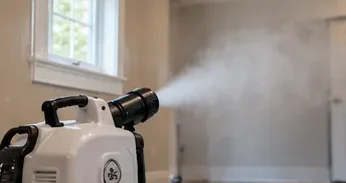
- Cleaning and disinfectingSurfaces that can be saved are cleaned and treated with antimicrobial products.
- Structural dryingAir movers and dehumidifiers dry framing, subfloors and remaining materials with regular monitoring.
- Odor and air quality controlAir scrubbers and deodorization address lingering flood smells and airborne particles.
- RestorationWe help rebuild what was removed so the property returns to normal use.
Equipment We Use
- Submersible pumps and extractors. Clear deep water and saturated floors.
- HEPA air scrubbers. Filter airborne particles during cleanup and demolition.
- Antimicrobial and disinfectant products. Treat contaminated surfaces after removal of the worst material.
- Thermal cameras and moisture meters. Verify dryness inside walls and floors.
- Personal protective equipment. Gloves, respirators and boots protect crews and prevent tracking contamination.
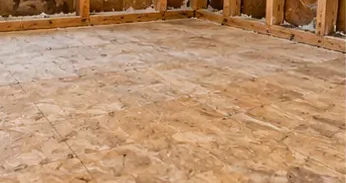
Average Cost of Flood Damage Cleanup in Lynnwood, WA
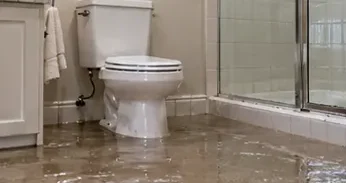
Flood water is normally treated as contaminated, so more material has to be removed and disinfected than in a clean-water leak.
| Scope of work | Typical range | What is usually included |
|---|---|---|
| Minor flooding: one room, quick response | $1,500 – $4,000 | Extraction, cleaning, sanitizing, drying |
| Moderate: several rooms or a finished basement | $4,000 – $10,000 | Removal of carpet, pad and lower drywall, drying |
| Severe: whole level, contaminated flood water | $10,000 – $25,000+ | Full demolition, disinfection, extended drying |
Standard homeowners policies often exclude rising flood water. Check for a separate flood policy.
These are planning estimates for the Puget Sound area, not quotes. Your price is set after an inspection with moisture readings. Try our cost calculator for a range based on your details, or call (425) 358-4598 for a firm number.
What Affects Cost and Timeline
Flood cleanup costs rise with depth of water, square footage, the level of contamination and how much material has to be demolished. Because flood water is normally treated as contaminated, more of the affected material typically must be removed than in a clean-water leak.
Timelines vary from a few days for a small event to several weeks when rebuilding is involved. Our calculator helps you understand likely ranges before we inspect.
Common Mistakes to Avoid
- Entering a flooded space with the power on.
- Trying to disinfect soaked drywall or insulation instead of removing it.
- Assuming cleanup is finished once the water is gone. Hidden moisture drives mold.
- Skipping photos before cleanup starts.
Insurance Claims
Flood coverage is one of the most misunderstood parts of a homeowners policy. Standard policies commonly exclude damage from rising water or surface flooding, which is typically covered under a separate flood policy. Some water sources, like a burst pipe or a sudden appliance failure, are covered differently.
We document conditions carefully and can share our records with your insurer or flood program adjuster. We cannot promise coverage. Check your policy and contact your carrier early.
Why Lynnwood Property Owners Call Lynnwood Water Restoration
- Licensed, insured and IICRC-certified. Serving Lynnwood since 2009.
- Live 24/7 emergency line. Damage does not wait for business hours, and neither do we.
- Measured, not guessed. Moisture meters and thermal imaging drive every drying plan, and readings are logged each visit.
- Documentation your insurer can use. Photos, moisture logs and itemized work records from the first visit.
- Straight answers. We explain what we found, what it will take and what is optional before work expands.
- One team from start to finish. Extraction, drying, cleaning, deodorization and help with repairs.
Flood Damage Cleanup FAQ
Is flood water dangerous?
Yes. Flood water often carries bacteria, sewage and chemicals from the ground and drains. It should be handled with protective equipment and materials that cannot be cleaned should be removed.
What can be saved after a flood?
Hard, non-porous materials such as tile, concrete and solid wood often can be cleaned and dried. Carpet, pad, insulation and porous drywall generally cannot.
How long until mold grows?
Mold can start within 24 to 48 hours in damp conditions, which is why fast drying matters. See our mold inspection service if you are concerned.
Do you work with flood insurance?
We document the loss in detail so you have what you need to file a claim, but coverage decisions belong to your insurer.
How soon should I call?
Immediately, once it is safe to do so. Waiting increases damage and cost.
Related Services
- Water Extraction
- Basement Water Damage
- Sewage Backup Cleanup
- Structural Drying & Dehumidification
- Water Damage Restoration
Serving Lynnwood and Nearby Communities
Based in Lynnwood, we provide flood damage cleanup across Snohomish County, including: