What Is Emergency Water Damage Restoration?
Emergency water damage restoration is the immediate, time-critical response that stops water from doing more harm after a sudden loss. It covers stopping or containing the source with your help, removing standing water, assessing what materials are wet, and starting structural drying before moisture soaks into drywall, insulation, subfloors and framing.
The word “emergency” matters because water does not sit still. It wicks up walls, runs beneath flooring, drops through ceilings into the rooms below and travels along joists and pipe chases into areas that look dry from the surface. Materials that could have been saved on day one, like carpet pad, baseboard and drywall, often become tear-out jobs by day three. Mold growth can begin in as little as 24 to 48 hours on damp organic surfaces, which is why an emergency call is very different from a routine repair call.
Our emergency service is designed to do three things quickly: limit the spread, protect what can be saved, and put a documented drying plan in place so that repairs, and your insurance claim if you file one, start from accurate facts rather than guesses.
Common Causes in Lynnwood-Area Homes
These are the situations that most often lead our customers to call us for emergency water damage restoration:
- Failed water heaters. Tanks in Lynnwood garages, closets and basements fail with age. A rusted-through tank can release fifty gallons in minutes and keep leaking until the supply is shut off.
- Washing machine and ice maker supply lines. Rubber hoses harden and split, and braided lines can burst at the fittings. These are among the most common causes of second-floor leaks that come through the ceiling below.
- Burst or leaking pipes. Cold snaps, aging supply lines and older galvanized or polybutylene plumbing in some homes built decades ago can fail without warning, often inside walls where the leak is hidden.
- Heavy Pacific Northwest rain. Long atmospheric-river storms overwhelm gutters and drainage, push water through foundation cracks and windows and find weak spots in aging roofs.
- Overflowing toilets, tubs and drains. Clogs and overflows can send water across bathroom floors and into the ceiling and rooms below within minutes.
- Dishwasher and refrigerator leaks. Slow leaks under kitchen appliances often go unnoticed until the cabinet base swells or the floor cups.
Signs You Need Professional Help
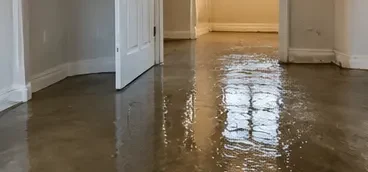
- Standing water or a damp, spongy feel underfoot
- Water stains, bubbling paint or sagging drywall on a ceiling
- The sound of running water when everything is off
- Warped baseboards, buckled hardwood or lifting laminate
- A sudden musty smell, especially in closets and lower levels
- A spike in your water bill with no explanation
Not sure it is serious? Call (425) 358-4598. It costs nothing to talk through what you are seeing, and it is far better to check early than to find hidden damage later.
Our Emergency Water Damage Restoration Process
- Call and triageYou reach a live person who asks where the water is coming from, how far it has spread and whether anyone is at risk. If it is safe, we walk you through shutting off the water or power to affected areas.
- Emergency inspectionOur technician arrives, confirms the source is controlled and checks for safety concerns such as electrical exposure, ceiling collapse risk or contaminated water.
- Moisture mappingWe use moisture meters and thermal imaging to find where water has actually gone, including behind walls and under floors, and record readings as a baseline.
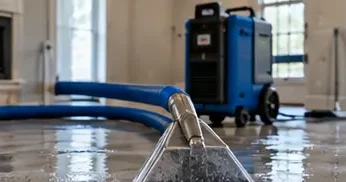
- Water extractionStanding water is removed with pumps and extraction tools. Removing bulk water early sharply shortens the drying phase.
- Protect and pack outFurniture is lifted or moved, contents are protected, and affected items are set aside for cleaning or documentation.
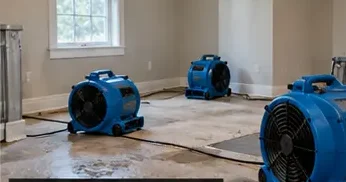
- Structural dryingAir movers and dehumidifiers are placed according to the moisture map. Wet materials that cannot be dried in place, such as saturated pad, are removed.
- Daily monitoringWe return to check readings, adjust equipment and confirm drying goals are met before pulling equipment.
- Restoration and repairOnce dry, we can help with drywall, flooring and finish work to return the property to normal.
Equipment We Use
- Truck-mounted and portable extractors. Remove standing water and soaked carpet fast.
- Moisture meters and thermal cameras. Show hidden wet areas without tearing into finished surfaces.
- Air movers. Drive airflow across wet surfaces to release moisture into the air.
- Dehumidifiers. Pull released moisture out of the air so materials keep drying instead of re-absorbing it.
- Antimicrobial treatments. Applied where appropriate to help discourage bacteria and mold growth on affected materials.
Average Cost of Emergency Water Damage Restoration in Lynnwood, WA
Emergency water damage restoration is priced by the size of the affected area, the water category and how long the water sat. These ranges cover extraction, drying equipment, monitoring and cleaning, not rebuild.
| Scope of work | Typical range | What is usually included |
|---|---|---|
| Small loss: one room, clean water, caught within 24 hours | $1,000 – $3,000 | Extraction, 3 days of drying, moisture monitoring |
| Medium loss: 2–3 rooms or a wet ceiling and wall | $3,000 – $7,500 | Extraction, material removal, drying, antimicrobial |
| Large loss: a whole level or multiple floors | $7,500 – $15,000+ | Extended drying, demolition, contents handling |
| Water left over 48–72 hours | Add 15% – 50% | More material removal and longer drying |
These are planning estimates for the Puget Sound area, not quotes. Your price is set after an inspection with moisture readings. Try our cost calculator for a range based on your details, or call (425) 358-4598 for a firm number.
What Affects Cost and Timeline
Emergency water damage costs depend mostly on how much water there is, how long it sat, what kind of water it is and which materials it reached. A small clean-water leak caught within hours is a very different job from a large loss that soaked carpet, drywall and subfloor for days.
Most structural drying takes about three to five days, though larger or more complex losses can take longer. We give you a clear explanation of the scope before work expands, and you can use our water damage cost calculator for a ballpark range while you wait.
Common Mistakes to Avoid
- Waiting until morning to call. Water keeps spreading while you sleep.
- Using a household vacuum on standing water, which is an electrical hazard.
- Turning on ceiling fixtures under a wet or bulging ceiling.
- Running only a box fan and assuming the room is dry. Surface dryness does not mean the framing is dry.
- Throwing away damaged items before photographing them for your insurer.
Insurance Claims
Most homeowners policies cover water damage that is “sudden and accidental,” such as a burst pipe or failed appliance, but usually exclude long-term seepage and rising flood water. Coverage varies by policy and carrier, so we cannot promise any claim outcome.
What we can do is document the loss carefully with photos, moisture readings and drying logs, keep an itemized record of the work, and communicate with your adjuster so you are not stuck relaying technical details. See our insurance claims guide for more.
Why Lynnwood Property Owners Call Lynnwood Water Restoration
- Licensed, insured and IICRC-certified. Serving Lynnwood since 2009.
- Live 24/7 emergency line. Damage does not wait for business hours, and neither do we.
- Measured, not guessed. Moisture meters and thermal imaging drive every drying plan, and readings are logged each visit.
- Documentation your insurer can use. Photos, moisture logs and itemized work records from the first visit.
- Straight answers. We explain what we found, what it will take and what is optional before work expands.
- One team from start to finish. Extraction, drying, cleaning, deodorization and help with repairs.
Emergency Water Damage Restoration FAQ
How fast can you get to my Lynnwood property?
We operate a 24/7 emergency line and dispatch as quickly as possible. Call (425) 358-4598 and we will give you an arrival window based on where our crews are at that moment.
What should I do before the crew arrives?
If it is safe, shut off the water at the main or the fixture, turn off power to wet areas at the breaker, move valuables and rugs off wet floors and take photos. Do not walk through standing water near outlets.
Do I need to be home when you arrive?
Someone with authority to approve the work should be present or reachable by phone. We can coordinate access with property managers, family members or neighbors.
How long does emergency water removal take?
Water extraction itself is usually a few hours. Structural drying that follows generally takes several days, depending on materials and the size of the loss.
Will my carpet have to be thrown out?
Not always. Carpet contaminated only by clean water and dried quickly can often be saved, though the pad usually is replaced. Gray or black water contamination generally means removal.
Do you help with the insurance claim?
We document the damage and work with your adjuster, but the coverage decision is between you and your insurer. We never guarantee approval.
Related Services
- Water Extraction
- Structural Drying & Dehumidification
- Burst Pipe Water Damage
- Mold Inspection & Testing
- Water Damage Restoration
Serving Lynnwood and Nearby Communities
Based in Lynnwood, we provide emergency water damage restoration across Snohomish County, including: