Mold Remediation in Lynnwood, WA
Lynnwood’s wet Pacific Northwest climate makes mold a year-round concern. Long rainy seasons, damp crawl spaces, humid bathrooms and past water leaks create the conditions mold needs: moisture, organic material and time.
Lynnwood Water Restoration provides mold inspection, remediation and removal for homes and businesses in Lynnwood and across Snohomish County. Because most mold problems start with water, we are in a strong position to fix the cause and the mold together, drying the structure, removing affected materials and helping prevent recurrence.
How Mold Grows in Our Climate
Mold needs only a few conditions to thrive indoors:
- Moisture. Leaks, flooding, condensation or humidity above roughly 60 percent.
- Organic food. Drywall paper, wood, insulation, carpet and dust all feed mold.
- Time. Growth can begin within 24 to 48 hours on wet materials and spread quickly if moisture remains.
- Poor airflow. Closed-in spaces such as crawl spaces, attics and closets hold moisture.
Signs You May Have a Mold Problem
- A persistent musty or earthy smell
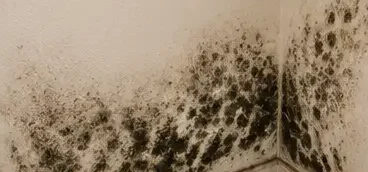
- Dark, green, gray or fuzzy patches on walls, ceilings, trim or grout
- Recent water damage, leaks or flooding that were not dried professionally
- Peeling paint, bubbling wallpaper or warped drywall
- Allergy-like symptoms that improve when you leave the property
- Condensation on windows and cold walls
Our Mold Remediation Process
- Inspection and moisture source identificationWe find visible and hidden mold with moisture meters and thermal imaging and identify what is feeding it.
- ContainmentPlastic barriers and negative air pressure isolate the work area so spores do not spread.
- HEPA air filtrationAir scrubbers capture airborne spores throughout the work.
- Removal of contaminated materialsMoldy drywall, insulation and porous materials are removed and bagged in place.
- Cleaning and treatmentFraming and salvageable surfaces are HEPA vacuumed, cleaned and treated to discourage regrowth.
- Drying and moisture controlThe space is dried and humidity is controlled so the mold does not return.
- Verification and restorationWe support post-remediation verification and help rebuild the area.
Why DIY Mold Cleanup Often Fails
Small patches of surface mold on hard surfaces can sometimes be cleaned by homeowners. But mold in walls, attics and crawl spaces, or larger areas, is a different situation.
Wiping or spraying mold without containment can release spores that spread to other areas. Bleach and household cleaners may lighten the color of mold but often do not address growth that has penetrated porous materials, and they do nothing about the moisture that caused it. The mold returns, often in a worse spot.
Professional remediation contains the work, filters the air, removes what has to go and treats what stays, while fixing the underlying moisture problem.
Common Places We Find Mold in Lynnwood-Area Properties
- Crawl spaces. Damp soil and poor ventilation lead to mold on joists and subfloor. See crawl space mold remediation.
- Attics. Warm, moist air from the house condenses on cold roof sheathing. See attic mold removal.
- Basements. Groundwater seepage and past floods leave hidden moisture in walls and carpet. See basement water damage.
- Bathrooms. Showers without adequate ventilation, leaking supply lines and window condensation.
- Behind walls. Slow plumbing leaks and roof or window intrusion that has never been dried.
Mold Inspection and Testing
If you suspect mold but cannot see it, or you want to verify a cleanup, an inspection is the place to start. We combine visual inspection, moisture mapping, thermal imaging and, when appropriate, air or surface sampling analyzed by an independent lab. Learn more about mold inspection and testing and black mold removal.
Mold and Insurance
Mold coverage varies widely. Many policies cover mold that results from a covered event, such as a burst pipe, often with dollar limits, while excluding mold caused by long-term humidity, neglected leaks or maintenance issues. Review your policy and speak with your agent.
We document conditions carefully and can provide a scope of work for your insurer, but coverage decisions belong to the carrier and we cannot promise outcomes.
Preventing Mold After Water Damage
The best mold prevention is fast, thorough drying after any water event. Beyond that:
- Fix leaks promptly and dry wet materials within 24 to 48 hours.
- Keep indoor humidity between roughly 30 and 50 percent, using dehumidifiers where needed.
- Run bathroom and kitchen exhaust fans and vent them outdoors, not into the attic.
- Keep gutters and downspouts clear and directed away from the foundation.
- Ensure crawl spaces have vapor barriers and adequate moisture control.
- Inspect attics and crawl spaces periodically.
Average Mold Remediation Cost in Lynnwood, WA
Mold cost depends on the size of the affected area, the materials involved, how hard the space is to reach and whether containment and demolition are needed.
| Scope of work | Typical range | What is usually included |
|---|---|---|
| Mold inspection with moisture readings | $300 – $600 | Visual inspection, moisture meter, thermal imaging |
| Inspection with air samples and lab analysis | $500 – $1,000 | Indoor and outdoor samples, lab report |
| Small area under about 10 sq ft | $500 – $1,500 | Containment, HEPA cleaning, antimicrobial treatment |
| One or two rooms, 10–100 sq ft | $1,500 – $5,000 | Drywall removal, negative air, cleaning, drying |
| Crawl space remediation | $1,500 – $8,000+ | Insulation removal, joist cleaning, treatment, drying |
| Attic remediation | $1,500 – $7,000+ | Sheathing cleaning, insulation removal, treatment |
| Large area or several rooms | $5,000 – $15,000+ | Full containment, demolition, air scrubbers, verification |
Repairs after remediation, such as drywall and paint, and fixing the cause of moisture are usually separate costs. Mold coverage varies widely by policy.
These are planning estimates for the Puget Sound area, not quotes. Your price is set after an inspection. Call (425) 358-4598 for a firm number.
Our Mold Remediation Services in Lynnwood
Mold Inspection & Testing
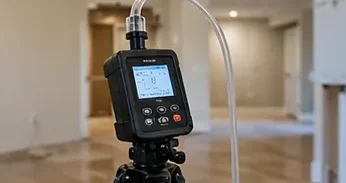
Find hidden mold and its moisture source with thermal imaging, meters and air sampling.
Learn more → Black Mold Removal
Containment, HEPA filtration and safe removal of dark mold growth from walls, ceilings and framing.
Learn more →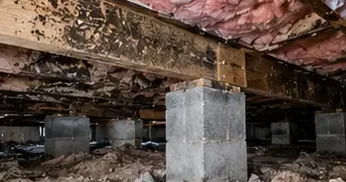
Crawl Space Mold Remediation
Clean mold from joists and subfloor, dry the space and control the moisture that feeds it.
Learn more →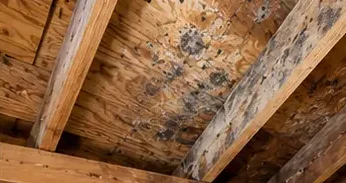
Attic Mold Removal
Clean mold from roof sheathing and rafters, replace wet insulation and correct attic moisture.
Learn more →Why Lynnwood Property Owners Call Lynnwood Water Restoration
- Licensed, insured and IICRC-certified. Serving Lynnwood since 2009.
- Live 24/7 emergency line. Damage does not wait for business hours, and neither do we.
- Measured, not guessed. Moisture meters and thermal imaging drive every drying plan, and readings are logged each visit.
- Documentation your insurer can use. Photos, moisture logs and itemized work records from the first visit.
- Straight answers. We explain what we found, what it will take and what is optional before work expands.
- One team from start to finish. Extraction, drying, cleaning, deodorization and help with repairs.
Mold Remediation FAQ
How do I know if I have mold in my house?
Common signs are a musty smell, visible dark or fuzzy patches, recent water damage, peeling paint and persistent condensation. Hidden mold in walls or crawl spaces often needs an inspection to find.
Is mold testing necessary?
Not always. Visible mold typically needs remediation regardless of species. Testing helps find hidden mold, document conditions and verify cleanup.
How long does mold remediation take?
Small projects can take a few days. Larger areas involving demolition, drying and rebuild can take a week or more.
Can I stay in my home during remediation?
Often, because containment isolates the work area, but it depends on the size of the project and household health conditions. We advise you after inspection.
Will mold come back?
It can if the moisture source is not corrected. Fixing leaks, controlling humidity and improving ventilation and drainage are essential.
Does insurance cover mold removal?
Sometimes, when mold results from a covered water loss. Coverage and limits vary. Check with your carrier.
Serving Lynnwood and Nearby Cities
We provide mold remediation across Snohomish County. See our local pages for information specific to your city: