What Is Sewage Backup Cleanup?
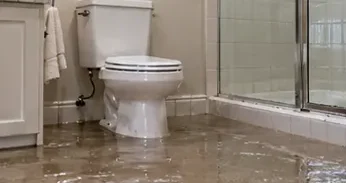
Sewage backup cleanup is the removal and decontamination of wastewater that has come back up through toilets, tubs, showers or floor drains. It falls into the highest contamination category, often called “black water,” because it can carry bacteria, viruses and parasites.
Because of that, sewage cleanup is not the same as a clean-water job. Porous materials that touch it, such as carpet, pad, insulation and drywall, generally must be removed and discarded rather than dried. Surfaces that stay are cleaned and disinfected, and the space is dried and tested visually and by odor.
We treat it as a controlled process: protect people, contain the affected area, remove contaminated material and water, decontaminate, deodorize and dry. Do not try to handle a real sewage backup with a mop and household bleach.
Common Causes in Lynnwood-Area Homes
These are the situations that most often lead our customers to call us for sewage backup cleanup:
- Main sewer line blockages. Tree roots, grease, wipes and collapsed lines block the main and push wastewater back into the lowest fixtures in the house.
- Municipal sewer overload. During extreme rain, city systems can overload and push flow back toward homes with low fixtures.
- Failed sump or ejector pumps. Basement bathrooms often rely on ejector pumps that can fail or lose power.
- Aging clay or cast iron lines. Older lines crack, sag and accumulate debris, leading to repeat backups.
- Blocked floor drains. Basement or garage drains can back up when the lateral line is restricted.
Signs You Need Professional Help
- Toilets or drains gurgling, bubbling or draining slowly
- Water backing up in a lower-level shower or floor drain when upstairs fixtures are used
- Sewage odor in the house
- Dark, foul-smelling water on the floor
- Multiple fixtures clogging at once
Not sure it is serious? Call (425) 358-4598. It costs nothing to talk through what you are seeing, and it is far better to check early than to find hidden damage later.
Our Sewage Backup Cleanup Process
- Safety firstKeep people and pets out. We assess exposure and set up protective barriers and equipment.
- ContainmentPlastic sheeting and negative air help keep contamination from spreading to clean areas.
- Water and solids removalContaminated water and solids are extracted and handled as regulated waste where required.
- Removal of contaminated materialsCarpet, pad, insulation, baseboard and drywall touched by black water are cut out and bagged.
- Cleaning and disinfectionRemaining structural surfaces are cleaned and treated with hospital-grade disinfectants.
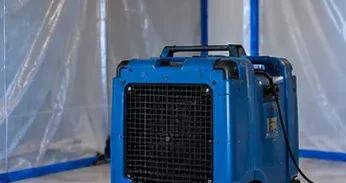
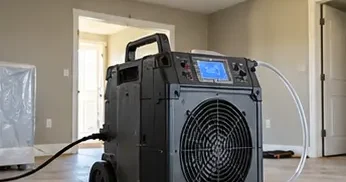
- Drying and air filtrationDehumidifiers, air movers and HEPA air scrubbers dry the structure and clean the air.
- Deodorization and rebuildOdor removal follows, then we assist with restoration.
Equipment We Use
- Personal protective equipment. Suits, gloves, boots and respirators for crew safety.
- Extraction pumps. Remove contaminated water at volume.
- Hospital-grade disinfectants. Sanitize framing, slabs and hard surfaces.
- HEPA air scrubbers. Capture airborne particles during and after cleanup.
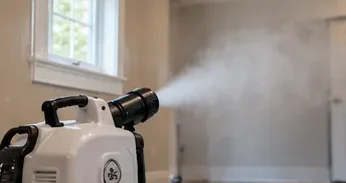
- Deodorization equipment. Neutralize odors instead of covering them.
Average Cost of Sewage Backup Cleanup in Lynnwood, WA
Sewage cleanup costs more than clean-water work because of protective gear, disposal, removal of porous materials and disinfection.
| Scope of work | Typical range | What is usually included |
|---|---|---|
| Small backup: one bathroom or floor drain area | $1,500 – $4,000 | Extraction, removal of flooring, disinfection |
| Partial basement or several rooms | $4,000 – $9,000 | Removal of carpet, pad and drywall, sanitizing, drying |
| Full basement or large multi-room loss | $9,000 – $20,000+ | Full demolition, air scrubbing, deodorization |
Sewer backup is often excluded unless you have a water backup endorsement on your policy.
These are planning estimates for the Puget Sound area, not quotes. Your price is set after an inspection with moisture readings. Try our cost calculator for a range based on your details, or call (425) 358-4598 for a firm number.
What Affects Cost and Timeline
Sewage cleanup costs more than clean-water extraction because of protective gear, disposal, demolition of porous materials and disinfection. The affected area, the amount of contaminated material and how long the water sat all affect the total.
Timelines depend on the scope. Small backups can be resolved in a few days, while larger ones with demolition and rebuild extend longer.
Common Mistakes to Avoid
- Cleaning up sewage with bare hands or without protective gear.
- Running a household vacuum or fans through the area, which spreads contaminants.
- Trying to save contaminated carpet or drywall.
- Ignoring the underlying cause. A recurring backup needs a plumber or the city to address the sewer line.
Insurance Claims
Sewer and drain backup is frequently excluded from standard homeowners policies unless you have a water backup endorsement. Check your policy and contact your carrier right away.
Whether or not coverage applies, we document the loss thoroughly, and we can share moisture readings, photos and work logs with your adjuster if you file a claim. We cannot guarantee any outcome.
Why Lynnwood Property Owners Call Lynnwood Water Restoration
- Licensed, insured and IICRC-certified. Serving Lynnwood since 2009.
- Live 24/7 emergency line. Damage does not wait for business hours, and neither do we.
- Measured, not guessed. Moisture meters and thermal imaging drive every drying plan, and readings are logged each visit.
- Documentation your insurer can use. Photos, moisture logs and itemized work records from the first visit.
- Straight answers. We explain what we found, what it will take and what is optional before work expands.
- One team from start to finish. Extraction, drying, cleaning, deodorization and help with repairs.
Sewage Backup Cleanup FAQ
Is sewage backup dangerous?
Yes. It can carry harmful bacteria and viruses. Avoid contact, keep children and pets away and call professionals for cleanup.
Can I stay in the house?
It depends on the extent. We advise you after inspection. In many cases, you can stay in unaffected areas once containment is in place.
Will the smell go away?
Yes, once contaminated materials are removed and the structure is cleaned and dried. We use deodorization equipment as part of the process.
Who is responsible for the sewer line?
That depends on where the blockage is. Homeowners generally maintain the lateral line to the main, and the city or district maintains the main. A plumber or the local sewer authority can help determine the cause.
What about mold afterward?
Thorough drying prevents most mold. If you notice musty smells later, see our mold inspection service.
Related Services
- Flood Damage Cleanup
- Basement Water Damage
- Emergency Water Damage Restoration
- Structural Drying & Dehumidification
- Water Damage Restoration
Serving Lynnwood and Nearby Communities
Based in Lynnwood, we provide sewage backup cleanup across Snohomish County, including: