What Is Smoke Damage Cleanup?
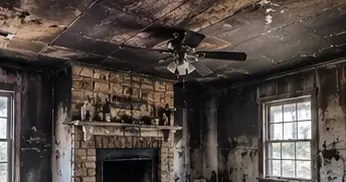
Smoke damage cleanup deals with the microscopic residues and odors left by burning materials, whether from a large fire, a small kitchen fire, a fireplace malfunction or wildfire smoke drifting into the area. Smoke particles are extremely small. They settle on and in porous materials, travel through wall cavities and ductwork and cling to fabrics.
The type of smoke matters. Protein fires from burnt food leave a nearly invisible, extremely smelly residue. Plastic and rubber fires leave sticky black film. Wood and paper fires create dry, powdery smoke. Each requires a different cleaning approach, and using the wrong method can make the smell and stain permanent.
Effective smoke cleanup is a two-part job: remove the residue that carries the odor and then neutralize what remains in the air and materials. Skipping either step means the smell returns, especially in warm or humid weather.
Common Causes in Lynnwood-Area Homes
These are the situations that most often lead our customers to call us for smoke damage cleanup:
- Kitchen and cooking fires. Burnt food and grease create sticky, pungent residues that spread through kitchens and adjoining rooms.
- Furnace and heating malfunctions. Puffbacks from oil or gas furnaces can distribute fine soot across a whole home.
- Fireplace and chimney problems. Blocked flues and creosote buildup can push smoke into living space.
- Electrical fires. Overheated wiring can produce plastic-laden smoke that is difficult to clean.
- Wildfire smoke infiltration. Smoke and ash from regional wildfires can settle inside homes, HVAC systems and contents.
- Neighboring unit fires. In condos, apartments and townhomes, smoke can travel through shared walls and ducts.
Signs You Need Professional Help
- A persistent smoky smell, especially when it is humid or warm
- Yellow or gray film on walls, windows and ceilings
- Smoky odors coming from HVAC vents
- Clothing, upholstery and bedding that smell of smoke
- Stained ceilings and a greasy film on surfaces
Not sure it is serious? Call (425) 358-4598. It costs nothing to talk through what you are seeing, and it is far better to check early than to find hidden damage later.
Our Smoke Damage Cleanup Process
- Assessment and smoke type identificationWe test surfaces to identify residue type so we choose the correct cleaning method.
- Air filtrationHEPA air scrubbers begin capturing airborne particles right away.
- Dry and wet cleaning of surfacesWalls, ceilings, floors, and fixtures are cleaned using dry sponges, specialty solutions or detergent methods as appropriate.
- HVAC and duct cleaningSystems that carried smoke are cleaned so odors are not recirculated.
- Contents cleaningClothing, soft goods and hard contents are cleaned by appropriate methods, including ultrasonic and dry-cleaning for delicate items.
- DeodorizationThermal fogging, hydroxyl or ozone treatments neutralize odors trapped in materials.
- Sealing and repaint if neededStain-blocking primers seal odor and stains in surfaces before painting.
- Final odor checkWe confirm results with a walk-through and address any remaining problem areas.
Equipment We Use
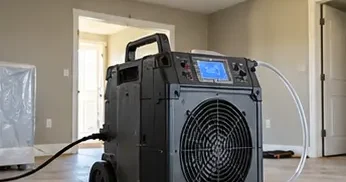
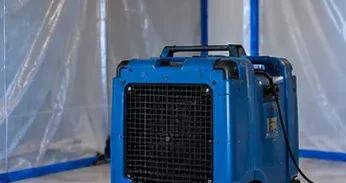
- HEPA air scrubbers. Filter smoke particles from the air.
- Thermal foggers. Produce a vapor that follows smoke into pores and crevices to neutralize odor.
- Hydroxyl generators. Break down odor molecules in occupied spaces.
- Ozone generators. Used only in unoccupied spaces under controlled conditions for tough odors.
- Ultrasonic cleaning. Removes residue from delicate and detailed items.
Average Cost of Smoke Damage Cleanup in Lynnwood, WA
Smoke cleanup is priced by square footage, the type of smoke and whether HVAC ducts and contents need treatment.
| Scope of work | Typical range | What is usually included |
|---|---|---|
| Light smoke, one room | $1,000 – $3,500 | HEPA vacuuming, wall cleaning, deodorization |
| Whole-house light to moderate smoke | $3,500 – $10,000 | Cleaning, thermal fogging, air scrubbing |
| Heavy or protein smoke with duct and contents cleaning | $10,000 – $25,000 | Duct cleaning, contents cleaning, sealing and repaint |
These are planning estimates for the Puget Sound area, not quotes. Your price is set after an inspection with moisture readings. You can call (425) 358-4598 for a firm number.
What Affects Cost and Timeline
Smoke damage cleanup costs depend on the size of the affected area, the type of smoke, whether ducts and contents need treatment and how deeply odor has penetrated. Light smoke exposure is far less involved than a heavy fire with insulation and structural odor.
Timeline ranges from a few days to a couple of weeks, depending on scope and whether repainting or replacement of porous materials is required.
Common Mistakes to Avoid
- Using air fresheners or candles to cover the smell.
- Turning on the HVAC, which spreads smoke residue to clean rooms.
- Washing walls with household cleaners before identifying residue type.
- Painting over smoke-stained surfaces without proper sealing.
Insurance Claims
Smoke damage caused by a covered fire is normally part of the fire claim, including cleaning of contents. Policies differ on wildfire smoke and on cosmetic versus structural damage.
We document affected areas and items and keep records for your adjuster. We cannot promise coverage or outcomes.
Why Lynnwood Property Owners Call Lynnwood Water Restoration
- Licensed, insured and IICRC-certified. Serving Lynnwood since 2009.
- Live 24/7 emergency line. Damage does not wait for business hours, and neither do we.
- Measured, not guessed. Moisture meters and thermal imaging drive every drying plan, and readings are logged each visit.
- Documentation your insurer can use. Photos, moisture logs and itemized work records from the first visit.
- Straight answers. We explain what we found, what it will take and what is optional before work expands.
- One team from start to finish. Extraction, drying, cleaning, deodorization and help with repairs.
Smoke Damage Cleanup FAQ
Why does the smoke smell keep coming back?
Because residue remains in walls, insulation, carpet or ducts. The odor returns when heat and humidity wake it up. It needs to be removed at the source, then deodorized.
Is smoke residue harmful?
Smoke particles can irritate the eyes, nose and lungs and may be harmful for sensitive people. Professional cleanup with air filtration helps protect your indoor air.
Can clothing and furniture be saved?
Often yes. Many fabrics and hard items can be professionally cleaned. Severely burned or heavily impregnated items may not be salvageable.
Do you clean HVAC systems?
Yes, where smoke has traveled through ducts we clean or coordinate cleaning so the smell does not return.
Is ozone safe?
Ozone is used only in unoccupied spaces, and people and pets must stay out during treatment. We tell you when it is appropriate.
Related Services
- Fire Damage Restoration
- Soot Removal
- Fire & Water Damage Restoration
- Mold Inspection & Testing
- Fire Damage Restoration
Serving Lynnwood and Nearby Communities
Based in Lynnwood, we provide smoke damage cleanup across Snohomish County, including: